
Favorite Roofing Service Supplies for Efficient Workflows
Identify the most popular tools and materials that streamline roofing tasks and ensure long-lasting results.
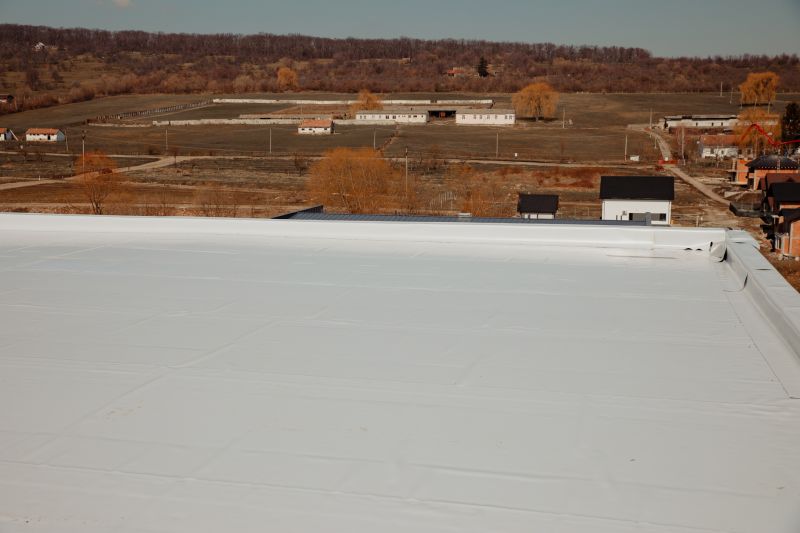 When it comes to maintaining and repairing roofs in Castro Valley, CA, having the right tools and products is essential for ensuring safety, efficiency, and durability. Roofing projects often require a combination of specialized equipment and materials that can withstand the local climate conditions. From minor repairs to extensive installations, choosing quality products can make a significant difference in the longevity of a roof and the ease of the work involved.
Top Overall Option
Heavy-Duty Roofing Fastening System
A comprehensive fastening system designed for durability and ease of installation, suitable for various roofing materials. It offers reliable anchoring to withstand local weather conditions and simplifies the process for contractors and DIY enthusiasts alike.
Types of Products For Roofing Service
Roofing Shingles
Various styles and materials used to cover and protect roofs, available in multiple textures and colors to suit different aesthetic preferences.
Roofing Underlayment
Layers of protective material installed beneath shingles to provide additional water resistance and insulation.
Roofing Nails and Fasteners
Specialized nails and fasteners designed to securely attach roofing materials to the structure.
Roofing Sealants and Adhesives
Products used to seal joints, seams, and penetrations, preventing leaks and water intrusion.
Roofing Safety Gear
Harnesses, fall arrest systems, and helmets that ensure worker safety during roofing projects.
Roofing Ventilation Products
Vents and fans that promote airflow and help regulate temperature and moisture levels in the attic space.
Roofing Flashing
Metal or rubber strips used to direct water away from critical areas like chimneys and valleys.
Roofing Cleaning Tools
Equipment like brushes and power washers designed for maintaining and cleaning roofing surfaces.
Roofing Repair Kits
Comprehensive sets containing patches, sealants, and tools for minor repairs and maintenance.
Roofing Inspection Tools
Infrared cameras and moisture meters that help identify hidden leaks and assess roof condition.
Roofing Membranes
Waterproof sheets used in flat roofing systems to prevent leaks and improve durability.
Roofing Tools and Equipment
Power drills, saws, and other machinery tailored for roofing installation and repair tasks.
Roofing Insulation Materials
Insulation products that improve energy efficiency and temperature regulation within the building.
Roofing Edge Metal
Metal strips used to reinforce roof edges and provide a finished look while preventing water damage.
Roofing Caulking and Sealants
Flexible compounds used to fill gaps and joints, enhancing waterproofing.
Roofing Drip Edges
Metal or plastic strips installed along roof edges to direct water away from the fascia and foundation.
Popular Choices
Commonly used roofing material offering a variety of styles and colors, suitable for different architectural designs.
Durable and long-lasting panels available in various finishes, often chosen for their longevity and low maintenance.
Flexible waterproof membranes ideal for flat or low-slope roofs, providing reliable water resistance.
Essential safety equipment for working at heights, designed to prevent falls and ensure worker security.
Easy-to-apply sealants for sealing leaks, joints, and small cracks on various roofing surfaces.
Vents designed to improve attic airflow and prevent moisture buildup.
Lightweight, tear-resistant underlayment providing additional protection beneath shingles.
Complete kits containing essential hand tools for roofing installation and repairs.
Compact cameras that facilitate roof inspections and help identify issues without ladder access.
Self-adhesive tape used to seal around flashing and prevent water intrusion.
Metal trims that provide a clean finish along roof edges and help prevent water damage.
Specialized cleaning agents designed to remove moss, algae, and debris from roofing surfaces.
Pre-cut patches for quick sealing of minor roof damages.
Heavy-duty ladders designed for safe access during roofing work.
Protective barriers that prevent accidental falls from roof edges during work.
Roofing services involve various tasks such as replacing shingles, sealing leaks, installing underlayment, and reinforcing structures. Each of these tasks demands specific products designed for durability and ease of use. For example, high-quality roofing nails and fasteners are crucial for securing shingles and panels effectively. Protective gear like safety harnesses and fall arrest systems are vital for worker safety during elevated work. Additionally, weather-resistant membranes and sealants help in preventing water intrusion and prolonging roof life.
Understanding the different types of roofing products available can help contractors and homeowners make informed decisions. Whether it is selecting the right underlayment for added protection or choosing the appropriate tools for precise installation, the right products contribute to a successful project. It is also important to consider local building codes and environmental factors that may influence product choice. Properly selected and installed roofing products can enhance the structural integrity and aesthetic appeal of a roof while providing peace of mind for years to come.
Key Buying Considerations
- Compatibility with existing roofing materials and structure.
- Weather resistance and durability suited for local climate conditions.
- Ease of installation and availability of necessary tools.
- Material lifespan and maintenance requirements.
- Compliance with local building codes and safety standards.
- Weight and structural support needed for the chosen products.
- Waterproofing effectiveness and resistance to leaks.
- Aesthetic compatibility with the building's design.
- Cost-effectiveness over the lifespan of the product.
- Availability of replacement parts and accessories.
- Brand reputation and product reviews.
- Environmental factors such as wind, rain, and temperature fluctuations.
- Ease of handling and transportation of materials.
- Warranty and manufacturer support.
- Compatibility with insulation and ventilation systems.